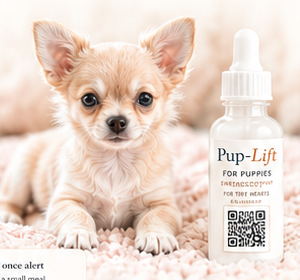
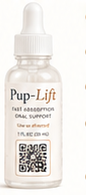
Once your puppy perks up, recovery is not over yet. Continue close care with monitoring, warmth, feeding, hydration, and watching for any signs that symptoms may return.
Even when your puppy improves, blood sugar can drop again. Careful aftercare helps prevent another emergency and supports a full recovery.
Keep Your Puppy Warm & Calm
Keep wrapped in a light blanket.
Avoid chilling or drafts.
Use your body warmth.
Avoid overheating.
Keep the environment quiet.
Reduce rough handling.
Feed Once Fully Alert
Only feed when swallowing safely.
Offer a small meal or breeder-approved food.
Use small, frequent feedings.
Do not force food.
Continue normal feeding schedule once stable.
Watch for Returning Signs
Weakness or wobbling
Crying or glassy eyes
Trembling or shaking
Unusual sleepiness
Cold body or ears
Poor appetite
Collapse or unresponsiveness
30-60 minutes
Minimum close monitoring after improvement.
Small meals
Help stabilize recovery.
Warm & calm
Supports energy conservation.
If signs return
Repeat steps and contact your vet.
Recovery Timeline ♡
1
Warm & observe
Move slowly and keep watching for returning symptoms.
2
Puppy becomes alert
Move slowly and keep watching for returning symptoms.
3
Offer small meal
Move slowly and keep watching for returning symptoms.
4
Continue monitoring
Move slowly and keep watching for returning symptoms.
5
Resume routine carefully
Move slowly and keep watching for returning symptoms.
What To Offer After Pup-Lift
Small meal once fully alert and swallowing safely.
Breeder-recommended food or high-quality puppy food.
Fresh water once swallowing is safe.
Small, frequent feedings over the next few hours.
Avoid overfeeding at once.
What To Avoid During Recovery
No rough play or overexertion.
No bathing if chilled or weakened.
No forcing food, liquid, or treats.
No leaving puppy alone during this period.
No assuming the episode is over too soon.
When Veterinary Care Is Still Needed ♡
Seizure activity
Collapse or unresponsiveness
Not improving or worsening
Cannot swallow
Repeated episodes
Blue or very pale gums
Call your vet immediately
If recovery is incomplete or symptoms return.
Preventing Another Episode Today ♡
Stay on schedule
Keep feeding consistent.
Keep warm
Avoid drafts and chilling.
Limit stress
Prevent overexertion.
Monitor closely
Watch through the day.
Keep Pup-Lift nearby
Have it ready.
What Owners Should Write Down ♡
Time of episode and when it improved.
Helps track patterns and prevention.
Signs observed and how much Pup-Lift was used.
Include how quickly your puppy responded.
Food offered, response, and next steps.
Note if vet follow-up is needed.
Hypoglycemia can improve quickly but still become serious again. Hypoglycemia is not covered under the health guarantee because it is considered preventable.This guidance supports emergency first-aid but does not replace veterinary advice.