Why Prevention Matters
Toy puppies have small glycogen reserves, little body fat, and high energy needs. Missed meals, chilling, or stress can lead to a rapid drop in blood sugar.
How to help prevent hypoglycemia before it starts.
Most hypoglycemia episodes can be reduced or prevented through careful feeding, warmth, observation, reduced stress, and close attention to tiny puppies, especially Chihuahuas and other toy puppies.
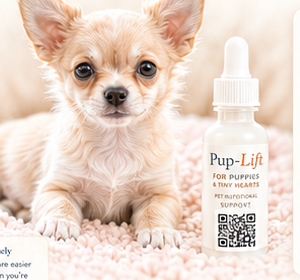
Small, frequent meals support stable blood sugar.
Warmth helps prevent energy loss.
Early signs are easier to spot when paying attention.
Toy puppies have small glycogen reserves, little body fat, and high energy needs. Missed meals, chilling, or stress can lead to a rapid drop in blood sugar.
Highest risk due to size and reserves.
Highest-risk age window.
Typical healthy canine blood glucose range.
Where hypoglycemia becomes a major concern.
Extra attention is needed because risk can rise quickly in this situation.
Extra attention is needed because risk can rise quickly in this situation.
Extra attention is needed because risk can rise quickly in this situation.
Extra attention is needed because risk can rise quickly in this situation.
Extra attention is needed because risk can rise quickly in this situation.
Extra attention is needed because risk can rise quickly in this situation.
Keep food, warmth, and observation consistent through the day.
Keep food, warmth, and observation consistent through the day.
Keep food, warmth, and observation consistent through the day.
Keep food, warmth, and observation consistent through the day.
Keep food, warmth, and observation consistent through the day.
Know normal behavior and watch for changes.
Routine feeding and warmth keep blood sugar stable.
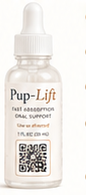
Keep Pup-Lift and emergency knowledge ready.
Most tiny puppies need small, frequent meals every 2-4 hours.
Offer food as soon as you can and watch closely for signs.
Yes. Travel and stress can increase risk.
Yes. Be prepared and act quickly if you see signs.